

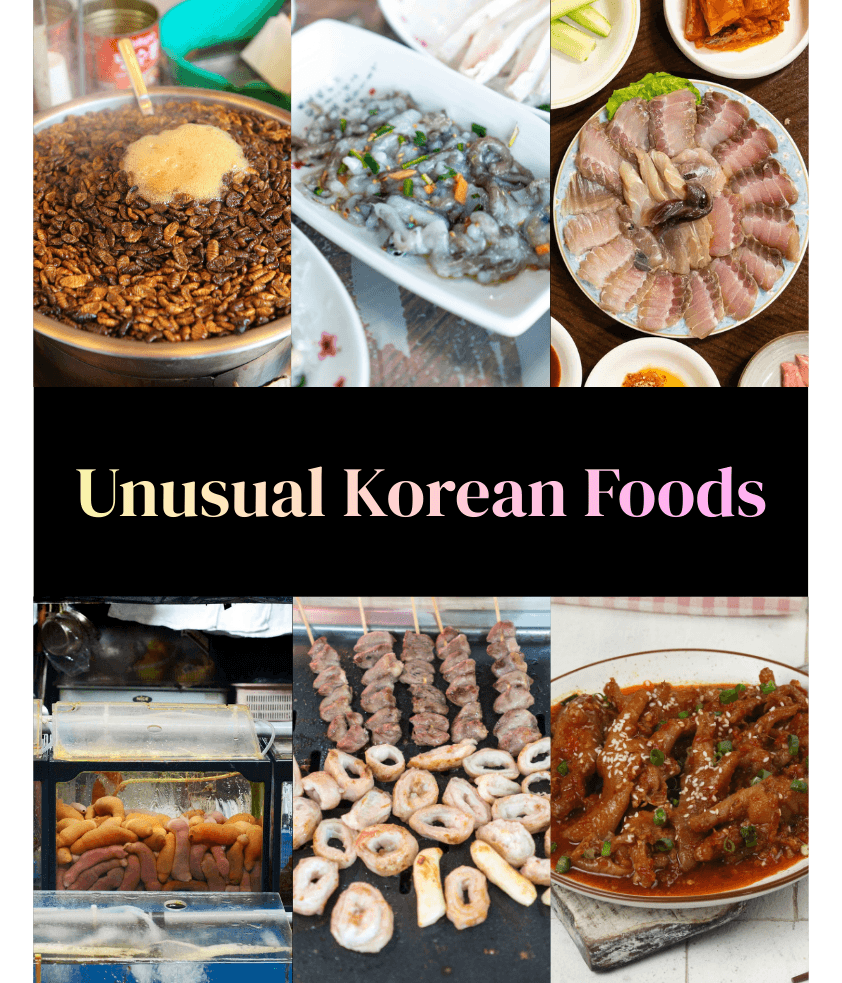

Type: Exotic / Traditional Delicacies | Price Range: ₩8,000-35,000 (~$6-26) | Best For: Adventurous eaters, Cultural explorers, Food challenge seekers
Live octopus tentacles still moving on your plate. Fermented fish that clears the room. Silkworm pupae sold by the cup at subway stations. Korean cuisine goes far beyond bibimbap and fried chicken—and some dishes require genuine courage to try.
These foods aren't tourist gimmicks. Koreans have eaten them for generations, and each carries cultural significance beyond shock value. This guide covers what to expect, where to find quality versions, and how to eat them without embarrassment.
Noryangjin Fish Market (노량진수산시장)
Location: 674 Nodeul-ro, Dongjak-gu, Seoul | Price: ₩15,000-40,000 per dish | Hours: 24 hours (restaurants), 3:00 AM - 9:00 PM (market)
Ground zero for sannakji and other live seafood. Buy your octopus fresh from vendors on the first floor, then take it upstairs to restaurants that prepare it for ₩5,000-10,000. The 2nd floor dining hall gets crowded between 6-8 PM—arrive early or late.
At a Glance
| Food Type | Exotic / Traditional Korean |
| Price Range | ₩8,000-35,000 (~$6-26) |
| Spice Level | Varies (hongeo is more pungent than spicy) |
| Best Areas | Noryangjin, Gwangjang Market, Majang-dong |
| Best Time | Evenings for full selection |
What Counts as "Exotic"?
The definition shifts depending on who's eating. For most international visitors, these dishes qualify: live or raw preparations, fermented foods with intense aromas, organ meats, insects, and foods with unusual textures.
None of these are rare in Korea. Beondegi sells at convenience stores. Gopchang restaurants pack in crowds every weekend. Hongeo remains a wedding banquet staple in Jeolla Province. The "exotic" label says more about the eater than the food.
The Dishes: What You're Getting Into
Sannakji (산낙지) — Live Octopus

Raw octopus, chopped seconds before serving. The tentacles keep moving due to residual nerve activity—not because the animal is alive, though it was moments ago.
Texture: Chewy, slightly rubbery, with suction cups that grip your tongue and teeth.
Taste: Clean, briny, mild. The sesame oil dipping sauce adds most of the flavor.
The risk: Suction cups can stick to your throat. Chew thoroughly—at least 10-15 times per bite. Deaths occur occasionally, almost always involving alcohol and insufficient chewing.
Where to try:
- Noryangjin Fish Market — ₩15,000-25,000, freshest selection
- Gwangjang Market — ₩12,000-18,000, more casual atmosphere
- Sannakji specialty restaurants in Euljiro — ₩20,000-30,000, better for beginners (staff guides you)
Hongeo (홍어) — Fermented Skate

The most polarizing food in Korea. Skate fermented until it develops an intense ammonia smell—imagine a cleaning product mixed with ocean. Jeolla Province considers it a delicacy. Everyone else debates whether it qualifies as edible.
Texture: Firm, cartilaginous, slightly chewy.
Taste: The ammonia hits your sinuses first. Underneath lies a complex, almost cheese-like funk. The actual flesh tastes mild.
Serving style: Often paired with bossam (boiled pork) and aged kimchi in a combination called samhap (삼합). The pork fat and kimchi acid cut through the fermented intensity.
Where to try:
- Yuksaeng Hoejip (육생횟집) in Mokpo — ₩35,000-50,000, the traditional source
- Jeolla-do restaurants in Seoul's Noryangjin area — ₩25,000-40,000
- Gwangjang Market stalls — ₩15,000-20,000 for samhap portions
Start with samhap, not plain hongeo. The combination makes the flavor approachable—or at least survivable.
Beondegi (번데기) — Silkworm Pupae

Steamed or boiled silkworm pupae, sold at street carts, convenience stores, and traditional markets. The smell—earthy, slightly nutty, unmistakably insect—announces their presence from meters away.
Texture: Soft outer shell, creamy interior that pops when you bite.
Taste: Nutty, savory, with a faint bitterness. Some detect notes of mushroom.
Price: ₩2,000-3,000 per cup from street vendors, ₩1,500 for canned versions at convenience stores.
Where to try:
- Gwangjang Market — Multiple vendors near the bindaetteok area
- Any traditional market — Look for the distinctive steaming pots
- CU or GS25 convenience stores — Canned beondegi for the hesitant
Gopchang (곱창) — Beef or Pork Intestines

Grilled intestines, usually beef (소곱창) or pork (돼지곱창). The fatty, chewy texture converts skeptics more often than any other dish on this list. Koreans pack gopchang restaurants on weekends, often waiting 30+ minutes for tables.
Texture: Chewy exterior, rich fatty interior that melts when grilled properly.
Taste: Deeply savory, slightly gamey, with caramelized edges from the grill.
Where to try:
- Majang-dong Meat Market area — ₩15,000-20,000, wholesale prices
- Gopchang Jeongol (곱창전골) restaurants in Jongno — ₩25,000-35,000 for hot pot style
- Sinchon/Hongdae area — Multiple options, ₩18,000-25,000, younger crowd
Best combination: Wrap in perilla leaf with grilled garlic and ssamjang. Order makchang (막창, large intestine) alongside gopchang for texture contrast.
Dakbal (닭발) — Spicy Chicken Feet

Chicken feet braised in intense gochugaru-based sauce. The cartilage-heavy texture and high spice level make this a drinking food—almost always paired with soju or beer.
Texture: Chewy, gelatinous, with small bones to navigate.
Taste: Fiery, sweet-spicy, deeply seasoned. The sauce matters more than the feet themselves.
Spice warning: Most dakbal runs genuinely hot. Request mild (덜 맵게, deol maepge) if you're sensitive.
Where to try:
- Euljiro pojangmacha (tent bars) — ₩12,000-16,000
- Dakbal specialty chains — Yupdduk (엽기떡볶이) serves a popular version
- Gwangjang Market — ₩10,000-14,000
Gaebul (개불) — Sea Spoon Worm

Also called "penis fish" for obvious visual reasons. This sea worm gets sliced raw and served immediately, often still twitching.
Texture: Chewy, slightly crunchy, with a distinctive snap when you bite through.
Taste: Briny, clean, surprisingly mild given the appearance.
Where to try:
- Noryangjin Fish Market — ₩20,000-30,000
- Coastal cities — Busan's Jagalchi Market has fresher, cheaper options (₩15,000-20,000)
Eating tip: Dip in chogochujang (vinegared gochujang) or sesame oil with salt.
How to Order: Survival Korean
| English | Korean | Pronunciation |
|---|---|---|
| Live octopus | 산낙지 | san-nak-ji |
| Fermented skate | 홍어 | hong-uh |
| Silkworm pupae | 번데기 | bun-dae-gi |
| Intestines | 곱창 | gop-chang |
| Chicken feet | 닭발 | dak-bal |
| Less spicy please | 덜 맵게 해주세요 | deol maep-ge hae-ju-se-yo |
| One serving | 1인분 | il-in-bun |
Practical Tips
Start at markets, not restaurants. Gwangjang and Noryangjin let you try small portions without committing to full dishes. Street vendors expect hesitation from foreigners—they'll often offer samples.
Go with Koreans if possible. Locals know which vendors serve quality versions and can navigate ordering. Many dishes improve dramatically with proper guidance.
Pair with alcohol strategically. Soju and makgeolli aren't just tradition—they genuinely help with strong flavors. Hongeo becomes almost pleasant after a few glasses.
Avoid peak hours for first attempts. Crowded restaurants mean rushed eating. Try these foods when you can take your time—weekday lunches or early dinners.
Texture matters more than taste. Most people who reject these foods struggle with mouthfeel, not flavor. Prepare mentally for chewiness, slipperiness, and unexpected sensations.
Know your limits. Nobody wins points for forcing down food they hate. Trying one bite counts as success.
Final Verdict
For ₩15,000-30,000, you get bragging rights and genuine cultural insight. These aren't stunt foods—millions of Koreans eat them regularly. The gap between "exotic" and "normal" shrinks fast once you're at the table.
Try if: You want food memories beyond the usual tourist hits, or you're curious about the full spectrum of Korean cuisine.
Skip if: Texture sensitivity runs high, or you're not ready to encounter your food while it's still moving.
📌 Quick Reference
- Best areas: Noryangjin Fish Market, Gwangjang Market, Majang-dong, Mokpo (for hongeo)
- Average price: ₩15,000-25,000 per dish
- Reservation: Not needed for markets; recommended for popular gopchang restaurants on weekends
- Dietary info: Most dishes contain animal products; no vegetarian options in this category
- Related dishes: Yukhoe (Korean beef tartare), sundae (blood sausage), jokbal (pig's feet)